
Expert Service for Thermal Oil Systems
Our engineers come to your factory for oil samples, troubleshooting, safety inspections, and improving of your oil quality.
Oil Analysis
Yearly analysis of your heat transfer fluid
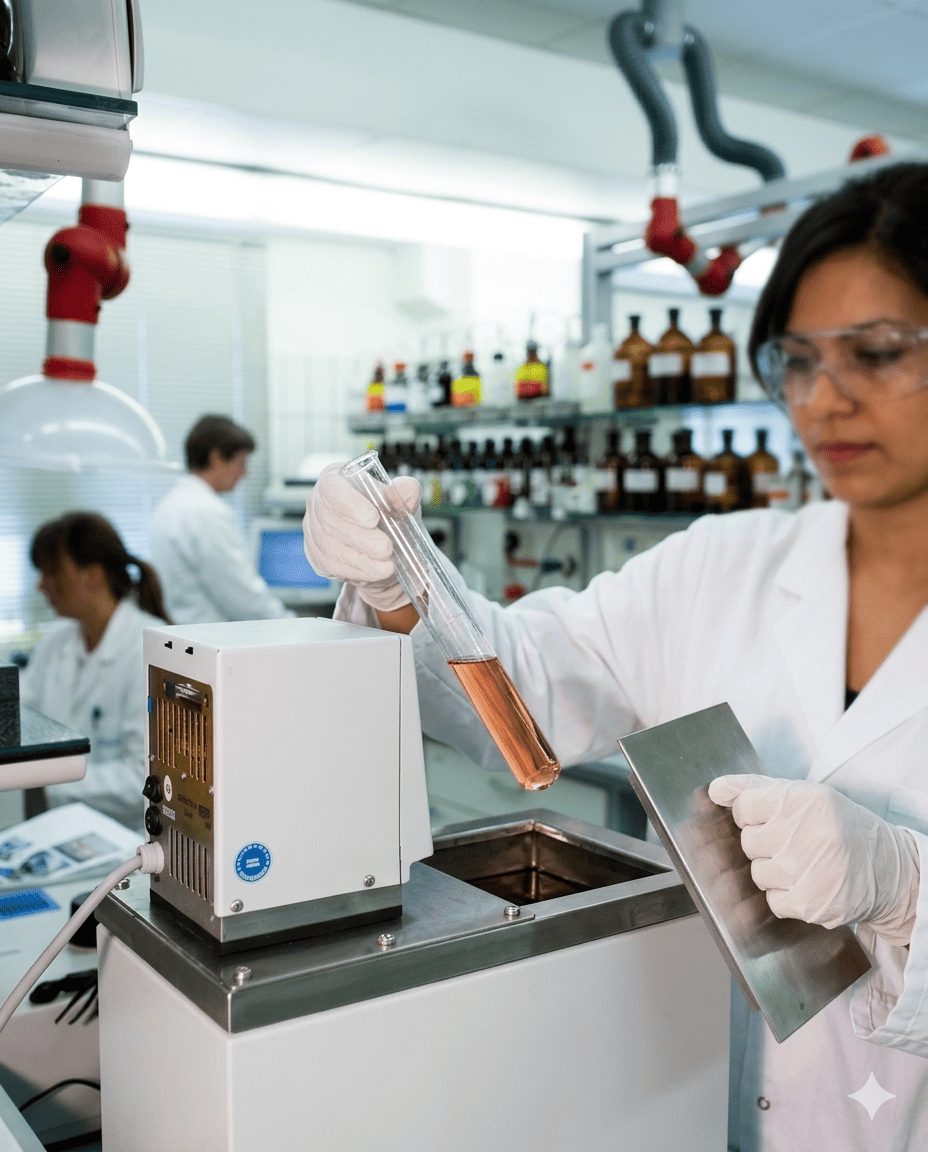
We visit your site and take representative samples with our mobile oil sample cooler.
Your sample will be lab-tested for flash point, acid number, viscosity, water content and non-vapourable residues following DIN 51529.
Our chemical engineers interpret the lab results to advise on the current condition of your oil and measures to improve quality and ensure a longer service life.
Site Audits according to DIN 4754
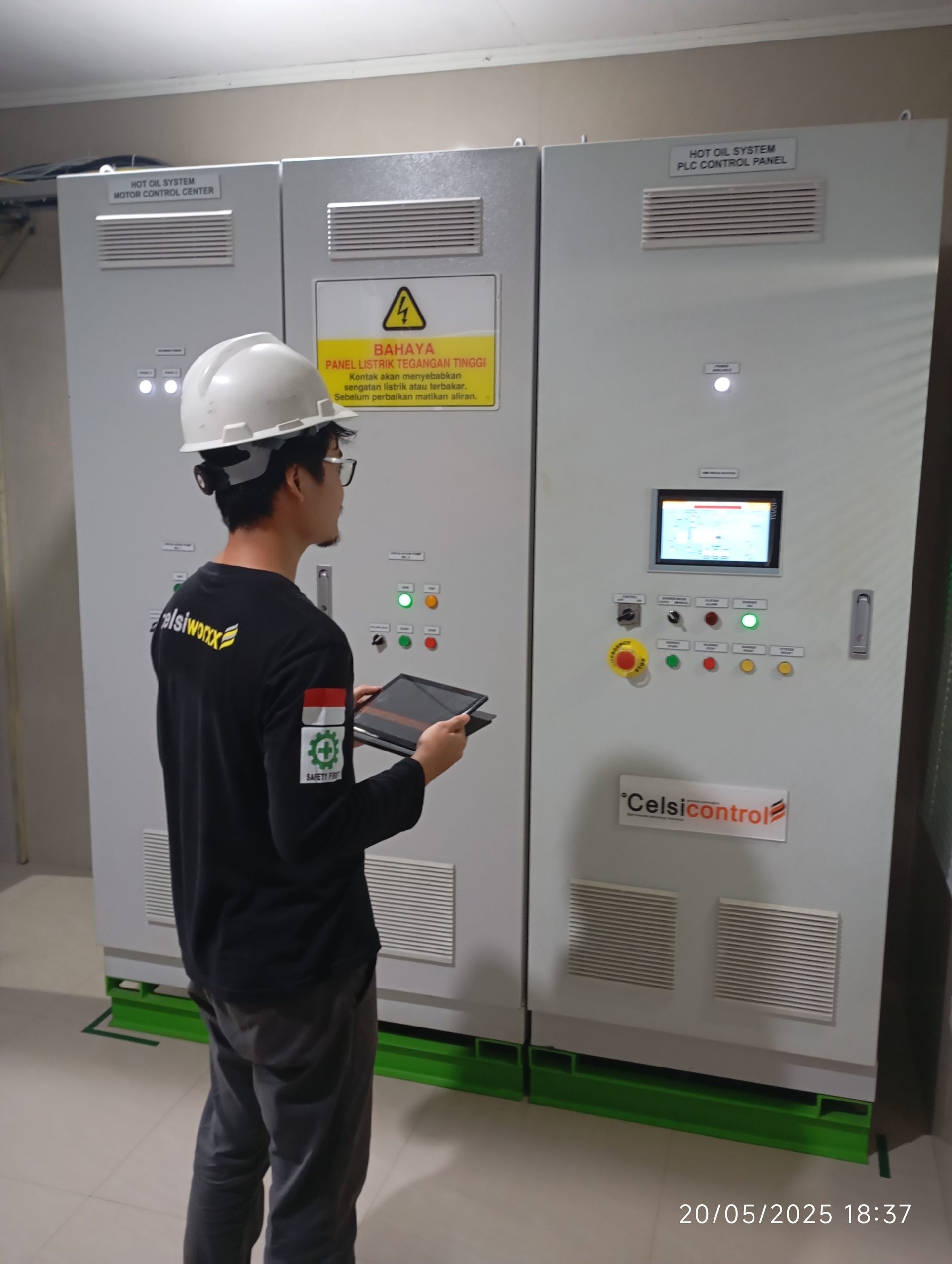
Operational safety audit and system design check
We carry out an audit of your thermal oil system and recommend measures to restore compliance with DIN 4754 safety requirements for organic heat transfer fluids.
Additionally, we offer wall thickness measurement, thermal oil flow measurement (both possible during operation), pump inspection and alignment, thermal imaging and performance tests.
Our process engineers give advice on extending the lifetime of your product, help with damage limitation, troubleshooting and start-up assistance.
Seminars
Introduction thermal oil in heat transfer plants
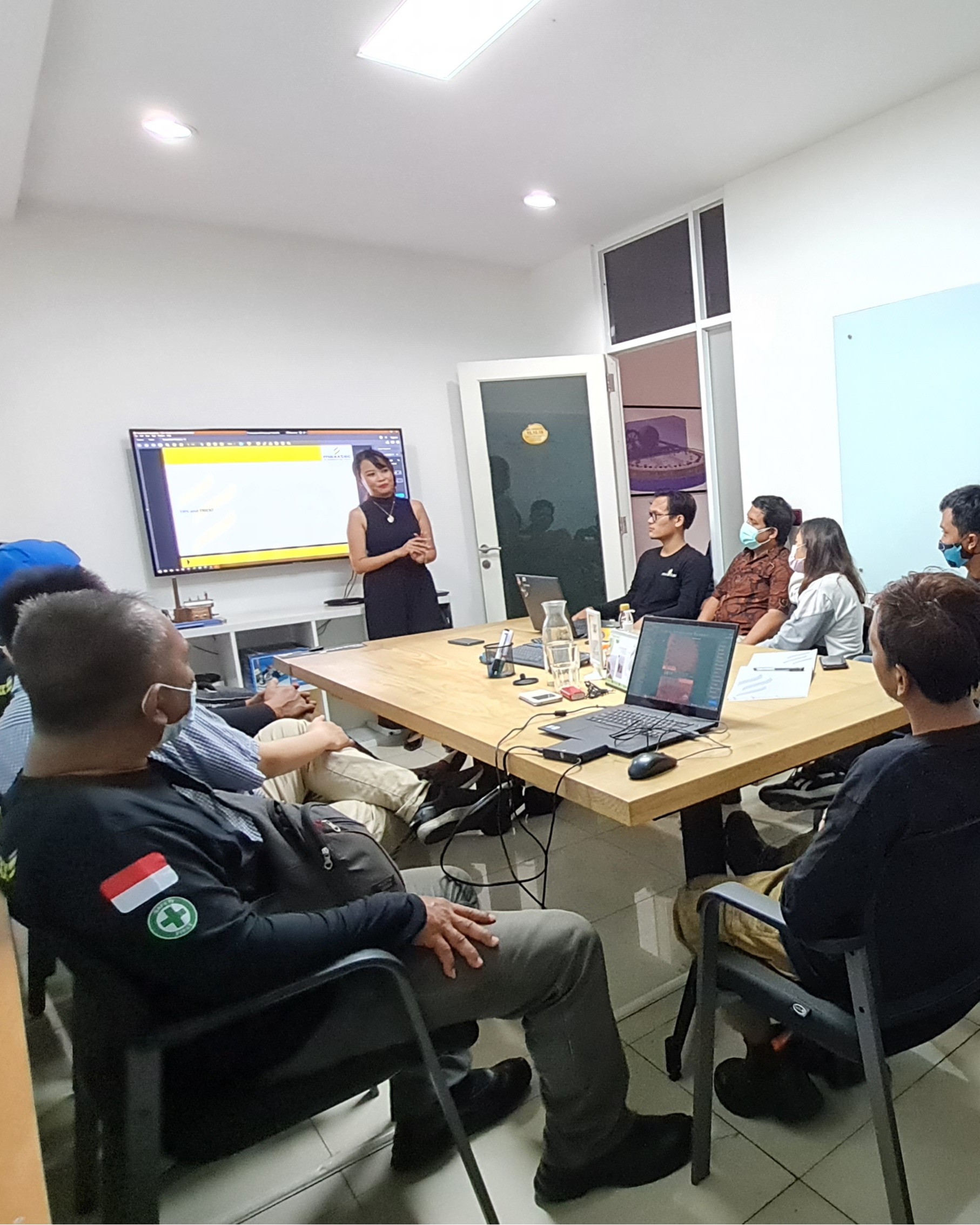
We cover the different types of thermal oil, their physical and chemical properties and industry standards.
You receive guidance on fluid selection from a chemical, process engineering and cost-efficiency standpoint.
We train you on the correct use of thermal oil systems based on 35+ years of first-hand experience.
Bypass Filter Stations
Rental units or fixed side-stream filter installations
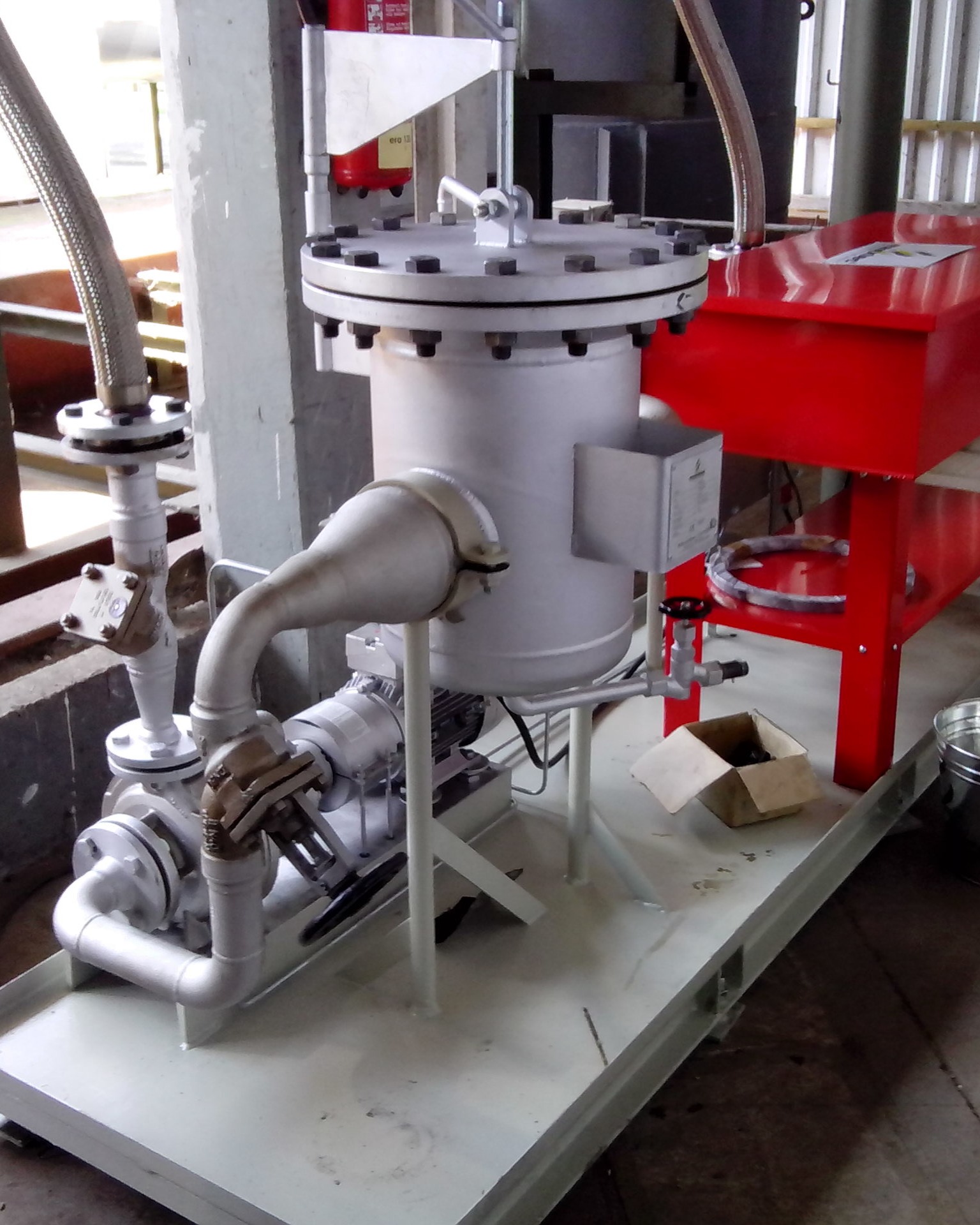
Bypass filter installations to remove solids and sludges from thermal oil systems. Our systems improve the heat transfer, reduce the power consumption of centrifugal pumps and reduce the wear of pumps, valves and pipes.
Over time, all organic heat transfer fluids degrade, generating highly volatile components as well as solid carbon deposits (sludge and oil carbon) that continue to accumulate during operation.
Our bypass filter continuously, effortlessly, and cost-effectively removes these contaminants and sludge during plant operation.
At the core of the system is a differential pressure-monitored sieve basket filter. Because the sieves are cleanable and reusable, there is no need for disposable cartridges—saving you valuable labor, filter replacement costs, and disposal hassle compared to conventional solutions
The flow rate entering the our filter system depends on the total oil volume within the plant. It typically ranges from 0.5 until 4 m³/h.
Using Micocal Products in your Plant
Micocal supplies a broad range of organic, synthetic, and specialty heat transfer fluids — including solutions for extreme temperature ranges and specific industry requirements.
Need Our Experienced Engineers at Your Factory?
Contact us today and schedule a visit for troubleshooting, auditing and more!